Winter in Glen Mills, Pennsylvania brings unique challenges that every homeowner must prepare for. With average January temperatures dropping to a frigid 23°F to 38°F, and the area receiving 15 inches of snow annually, Glen Mills residents face serious risks of water damage during the coldest months. Understanding these winter-specific threats and taking proactive measures can save thousands in repair costs and prevent the stress of emergency water damage situations. Need help? Contact Restore More Restoration for your Glen Mills water damage restoration 610-506-8919
Understanding Glen Mills’ Winter Weather Patterns
Glen Mills experiences what meteorologists classify as a humid subtropical climate with distinct seasonal variations. During winter months, the area faces a dangerous combination of factors that create perfect conditions for water damage:
- Temperature fluctuations that cycle above and below freezing
- Average precipitation of 3.03 inches in January alone
- 31% chance of precipitation on any given winter day
- Freeze-thaw cycles that stress plumbing systems and roofing materials
These conditions mirror those affecting the broader Delaware County region, where winter storms have caused significant flooding and water damage in neighboring communities like West Chester and Chadds Ford. 610-506-8919
The Frozen Pipe Crisis: Glen Mills’ Most Common Winter Water Threat
Frozen pipes represent the single greatest water damage risk for Glen Mills homeowners during winter months. When temperatures drop below 32°F, which occurs regularly in Glen Mills from December through February, exposed pipes become vulnerable to freezing.
Why Pipes Freeze in Glen Mills Homes
The older housing stock common throughout Glen Mills and Concord Township creates specific vulnerabilities. Many homes built in the 1800s and early 1900s lack modern insulation standards, leaving pipes in basements, crawl spaces, and exterior walls exposed to freezing temperatures.
Common causes of frozen pipes in Glen Mills include:
- Poor insulation in older homes
- Exterior wall placement of plumbing lines
- Unheated basement and crawl space areas
- Rapid temperature drops common in Delaware County winters
The Devastating Cost of Burst Pipes
When pipes freeze, water expands and creates pressure that can cause pipes to crack or burst entirely. A single burst pipe can spew hundreds of gallons of water, causing flooding, structural damage, and creating ideal conditions for mold growth. The repair costs can quickly escalate into thousands of dollars, not including the value of damaged belongings and potential health risks.
Ice Dams: Glen Mills’ Hidden Winter Water Damage Threat
While frozen pipes get most of the attention, ice dams pose an equally serious threat to Glen Mills homeowners. These thick ridges of solid ice form along roof eaves when snow melts on warm sections of the roof and refreezes at the colder edges.
How Ice Dams Cause Water Damage
Ice dams create a cascading series of problems that can devastate Glen Mills homes:
- Water backup behind the ice barrier
- Shingle penetration as water finds alternative routes
- Interior water damage affecting ceilings, walls, and insulation
- Gutter damage from excessive ice weight
- Mold growth in damp conditions created by water intrusion
The weight of ice accumulation can also cause structural damage to gutters and roofing systems, leading to expensive repairs that extend far beyond simple water cleanup.
Comprehensive Winter Water Damage Prevention Strategies
Protecting Your Pipes: Essential Winterization Steps
Insulation is your first line of defense against frozen pipes in Glen Mills homes. Focus on these critical areas:
- Wrap exposed pipes in foam insulation sleeves or heat tape
- Seal air leaks around windows, doors, and pipe penetrations
- Insulate attic and basement areas where pipes are located
- Install heat cables on vulnerable exterior pipes
Maintain consistent heating throughout your Glen Mills home, keeping temperatures above 55°F even when away. This small investment in heating costs can prevent thousands in water damage repairs. 610-506-8919
Circulation and Emergency Preparedness
Allow water to circulate by leaving faucets slightly open during extreme cold snaps. Open cabinet doors under sinks to allow warm air circulation around pipes. Keep emergency supplies on hand, including a portable space heater, hair dryer, and heat tape.
Ice Dam Prevention: Protecting Your Roof
Proper attic insulation and ventilation are crucial for preventing ice dams in Glen Mills homes. The goal is maintaining consistent roof temperature that prevents the melt-and-refreeze cycle.
Key prevention measures include:
- Sealing air leaks that allow warm air into the attic
- Installing ridge vents and soffit vents for balanced airflow
- Adding adequate attic insulation to prevent heat loss
- Installing heated roof cables in zigzag patterns along eaves
Gutter Maintenance and Drainage
Clean gutters and downspouts before winter weather arrives. Ensure downspouts direct water at least 4-6 feet away from your foundation. Consider gutter guards to reduce debris accumulation and maintenance needs.
Emergency Response: When Prevention Fails
Despite best efforts, winter water damage can still occur. Acting quickly minimizes damage and reduces repair costs.
Frozen Pipe Emergency Steps
If you discover frozen pipes:
- Shut off the main water supply immediately
- Apply gentle heat using a hair dryer or heat lamp – never use open flames
- Open faucets to allow melted water to drain
- Call a professional plumber if pipes have burst
Ice Dam Emergency Response
For active ice dam damage:
- Remove excess snow using a roof rake (safely from the ground)
- Apply cold air to freeze active leaks from inside the attic
- Inspect for water damage in affected areas
- Contact a professional restoration company immediately
Why Professional Help Matters
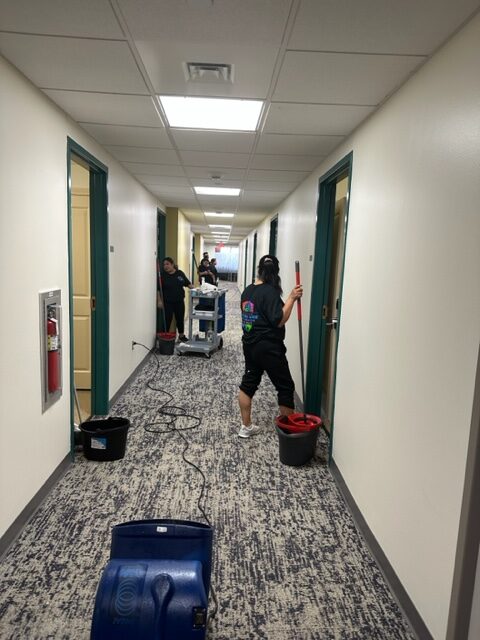
When winter water damage strikes your Glen Mills home, professional restoration services make the difference between minor inconvenience and major catastrophe. Restore More Restoration stands out as the premier choice for Glen Mills homeowners facing winter water damage emergencies.
While several companies serve the Delaware County area, Restore More Restoration offers comprehensive services that go beyond basic cleanup. Their 24/7 emergency response, combined with 37 certifications and awards, ensures Glen Mills homeowners receive expert care when they need it most. Unlike other restoration companies that may specialize in single services, Restore More provides complete water damage restoration, fire recovery, mold remediation, and full reconstruction services under one roof.
What sets Restore More apart is their understanding of Glen Mills’ unique challenges. They recognize that older homes in the area require specialized approaches, and their certified technicians have the expertise to handle everything from emergency water extraction to complete basement waterproofing solutions.
Long-Term Protection for Glen Mills Homes
Basement Waterproofing Considerations
Many Glen Mills homes built in the 1800s and early 1900s face ongoing basement water issues that worsen during winter freeze-thaw cycles. Professional basement waterproofing addresses the root causes of water intrusion before emergency situations develop. 610-506-8919
Insurance and Documentation
Document all preventive measures you take, including photos of insulation, maintenance records, and professional inspections. This documentation can be valuable for insurance claims and demonstrates proactive homeownership that insurers often reward with better coverage terms.
Seasonal Maintenance Schedule
Develop a consistent winter preparation routine that includes:
- October: Gutter cleaning and exterior inspection
- November: Pipe insulation and heating system check
- December: Emergency supply preparation and final winterization
- January-February: Regular temperature monitoring and system checks
- March: Post-winter damage assessment and spring preparation
The Bottom Line: Prevention Pays
Winter water damage prevention in Glen Mills requires understanding the area’s specific challenges and taking proactive measures before problems develop. The cost of prevention is always less than the cost of restoration. By insulating pipes, preventing ice dams, and maintaining proper drainage, Glen Mills homeowners can enjoy winter’s beauty without the stress of water damage emergencies.
When prevention isn’t enough, Restore More Restoration provides the expert response Glen Mills homeowners need to restore their homes quickly and completely. Their comprehensive approach and local expertise make them the smart choice for winter water damage restoration in the Glen Mills area.
Remember: winter water damage doesn’t wait for convenient timing. Taking action now protects your Glen Mills home, your belongings, and your family’s safety throughout the challenging winter months ahead. 610-506-8919